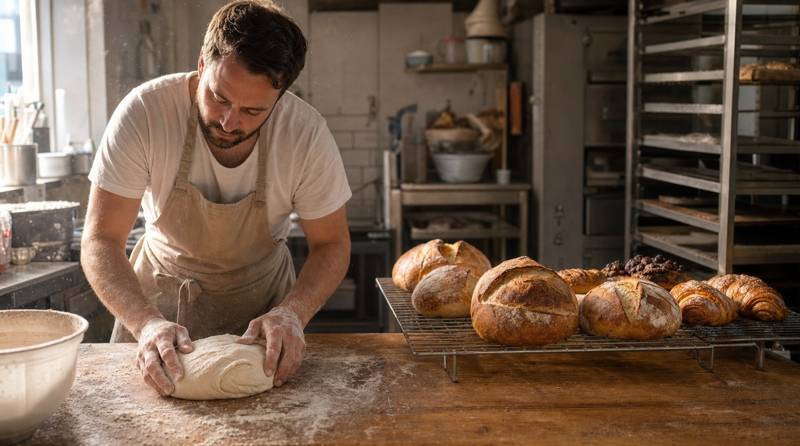
A bakery business covers an enormous range, from someone selling banana bread to neighbours out of a home kitchen through to a full retail shop with a commercial oven running all day. The startup cost reflects that range more than almost any other food business, so the right budget depends entirely on which version you are actually building.
This guide covers realistic 2026 UK costs across the main routes into baking, from home-based to a full shop fit-out.
Startup Costs by Business Model
The biggest cost driver by far is whether you are working from home, a market stall or delivery model, or committing to a retail premises with a full commercial kitchen.
| Model | Typical Startup Cost |
|---|---|
| Home-based micro bakery (registration + basic kit) | £500 to £2,000 |
| Market stall or farmers' market bakery | £2,000 to £6,000 |
| Delivery-only bakery (online orders, no shop) | £3,000 to £8,000 |
| Small retail bakery shop (leased premises) | £30,000 to £55,000 |
| Larger bakery shop with cafe seating | £55,000 to £80,000+ |
Registration and Legal Costs
- Food business registration: Free, but must be done with your local council at least 28 days before trading. Applies to home bakers, market stalls and shops alike.
- Level 2 Food Hygiene and Safety certificate: £20 to £30 per person, done online, needed by anyone handling food.
- Public liability insurance: £120 to £300 per year for a small operation, more for a shop with public access.
- Product liability insurance: £100 to £250 per year, important since you are selling food people consume, often bundled with public liability.
- Business insurance for a shop: £300 to £800 per year covering premises, equipment and stock, on top of the liability cover above.
Equipment Costs
Equipment is where the model differences show up most clearly.
| Item | Typical Cost |
|---|---|
| Domestic-plus baking equipment (mixer, trays, cooling racks) | £200 to £800 |
| Packaging and labelling (allergen-compliant) | £150 to £500 initial stock |
| Market stall setup (gazebo, table, signage) | £300 to £900 |
| Commercial convection oven | £1,500 to £6,000 |
| Commercial mixer (spiral or planetary) | £800 to £3,500 |
| Proving cabinet | £500 to £2,000 |
| Full commercial kitchen fit-out | £15,000 to £40,000 |
| Refrigeration and display units (shop) | £2,000 to £8,000 |
Buying used commercial equipment from a catering equipment dealer or auction can cut the fit-out cost significantly, often by 40 to 60 percent compared to new, and is common practice for first-time bakery owners watching cash flow.
Premises Costs, If Going Retail
- Shop rent: Varies enormously by location, from £8,000 a year in a small town to £40,000+ in a city centre high street unit.
- Shop fit-out beyond the kitchen: £5,000 to £20,000 for counters, shelving, signage and decor.
- Deposit and first month's rent: Typically 3 months' rent as a deposit plus the first month upfront, a significant chunk of the total budget.
- Business rates: Small business rates relief can reduce or eliminate this for a small unit, check eligibility with your local council.
Ongoing Running Costs
- Ingredients: Flour, butter and other core ingredients typically run 25 to 35 percent of revenue for a bakery, though this varies by product mix.
- Energy: Commercial ovens run for hours daily and are one of the largest ongoing costs for a shop-based bakery, often £300 to £800 a month.
- Staff: Even a small shop typically needs at least one additional pair of hands beyond the owner during opening hours.
- Packaging: Ongoing cost that scales with volume, easy to underestimate when budgeting from a home-bakery starting point.
How to Start Cheaper
- Start home-based and prove demand before committing to a lease. Many successful bakery shops started as a registered home kitchen operation for a year or more.
- Use a shared commercial kitchen if you outgrow home baking. Rentable kitchen space by the hour or session avoids a full lease commitment while giving you commercial-grade equipment.
- Buy used equipment where food-safety condition allows. Ovens and mixers hold their value well and used units are widely available from closing businesses.
- Test at markets and pop-ups before a permanent premises. Lower cost, lower risk way to build a customer base and refine your product range.
- Register for VAT flat rate scheme if turnover allows. Can simplify admin and, depending on your cost structure, sometimes improve margin versus standard VAT accounting.
Starting a bakery business in the UK costs £500 to £2,000 for a home-based micro bakery, £2,000 to £6,000 for a market stall or delivery model, and £30,000 upwards for a full retail shop with a commercial kitchen. Registration is free, but a Level 2 Food Hygiene certificate and proper insurance are non-negotiable from day one regardless of scale. Starting home-based and proving demand before leasing a premises is the lowest-risk route in. If you are also weighing up structure, see our guide on registering as a sole trader.